Source Shearling Sheepskin Slippers for Home, Hotel, and Airline Use
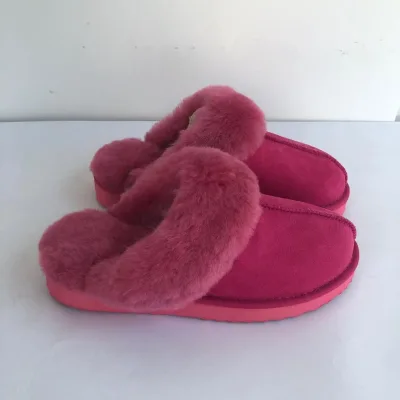
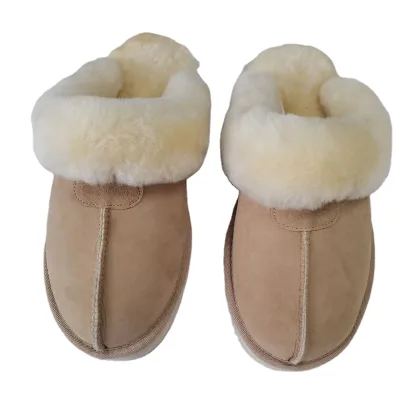
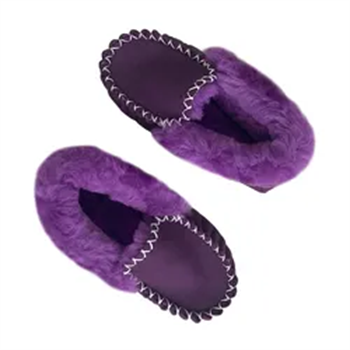
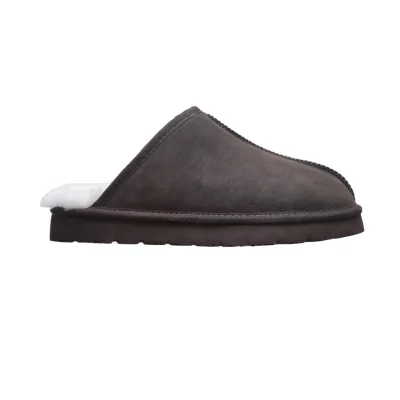
Find and compare 30 shearling sheepskin slippers featuring genuine leather uppers, plush linings, and thermal EVA outsoles. Options include ankle booties and indoor styles with customizable logos, colors, and packaging for wholesale buyers seeking winter and autumn footwear solutions.
Key considerations
Products List




Comprehensive Sourcing Guide
Shearling Sheepskin Slippers Sourcing Guide
Sourcing shearling sheepskin slippers requires a nuanced understanding of material authenticity, thermal performance, and manufacturing precision. These products sit at the intersection of luxury comfort and practical indoor footwear, demanding rigorous verification of upper materials and sole construction. Buyers must navigate a market where terms like "shearling," "sheepskin," and "plush" are often used interchangeably, yet represent vastly different cost structures and durability profiles. The primary objective is to secure footwear that delivers genuine thermal insulation while maintaining structural integrity through repeated wear and cleaning cycles.
The procurement process involves balancing aesthetic appeal with functional safety, particularly regarding slip resistance and breathability. Given the natural variability of animal hides, consistency in sizing, color, and texture is a significant challenge for manufacturers. Buyers need to establish clear quality benchmarks early in the engagement to avoid discrepancies between samples and bulk production. This guide outlines the critical verification steps, commercial considerations, and quality control measures necessary to build a reliable supply chain for high-quality shearling and sheepskin slippers.
Product Scope and Observed Listing Signals
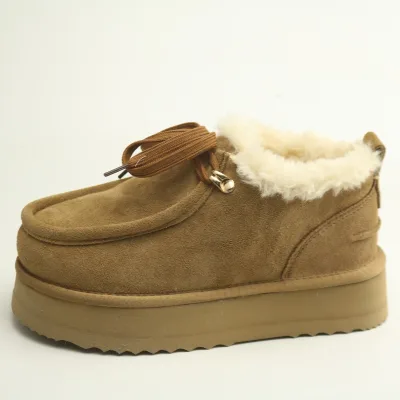
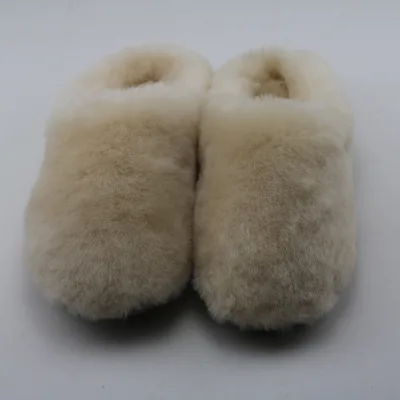
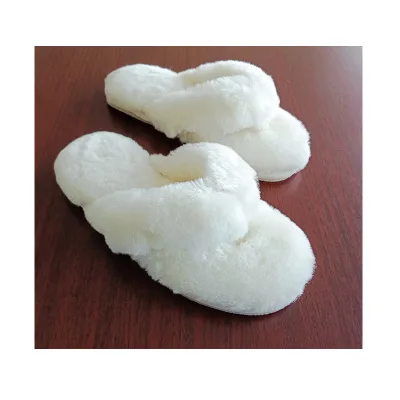
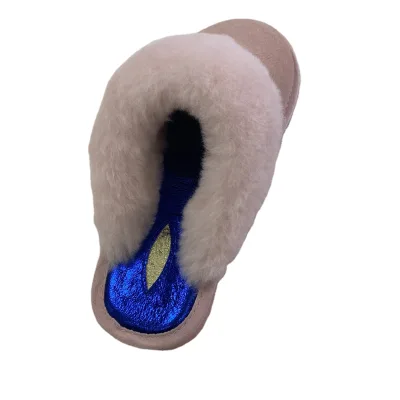
The current market landscape for shearling sheepskin slippers reveals a diverse range of product configurations, primarily targeting women’s indoor and seasonal wear. Observed listings indicate a strong preference for ankle-height booties and slip-on designs that prioritize warmth and comfort. Materials frequently cited include genuine leather, plush, wool, fur, and synthetic alternatives, with sheepskin and faux suede appearing as common upper components. The presence of genuine leather linings and plush interiors suggests a focus on premium tactile experiences, catering to consumers seeking luxury comfort for home environments.
Seasonal demand drives significant variation in product specifications, with winter and autumn collections emphasizing thermal retention through thicker linings and robust outsoles. Buyers should note that while many products claim genuine sheepskin, others rely on synthetic or faux materials to meet lower price points. The observed price range of $1.15 to $19.57 USD reflects this spectrum, with higher prices typically correlating with authentic leather uppers and complex construction methods. Understanding these material distinctions is crucial for aligning product offerings with target market expectations and budget constraints.
Technical Specifications to Verify
Verifying the technical specifications of shearling sheepskin slippers is essential to ensure product performance and durability. Key attributes to confirm include the upper material composition, lining type, and outsole construction. Genuine leather and sheepskin uppers offer superior breathability and natural insulation, while synthetic materials may provide consistent aesthetics at a lower cost. The midsole and outsole materials, such as EVA or PVC, significantly impact comfort and slip resistance. Buyers should request detailed material breakdowns to verify that claimed features, such as anti-slippery properties, are backed by appropriate sole formulations.
Sizing and packaging specifications also require careful attention to avoid logistical issues. Standard size ranges, such as US 4-11 and EUR 36-44, should be cross-referenced with target market demographics to ensure optimal fit. Packaging dimensions, often observed around 21x20x30 cm per unit, influence shipping costs and storage efficiency. Additionally, single gross weights, typically around 1.095 kg, affect freight calculations and duty assessments. Buyers must confirm these physical attributes during the sampling phase to prevent discrepancies in bulk orders and ensure accurate inventory planning.
Compliance and Safety Documentation
Compliance and safety documentation are critical for importing shearling sheepskin slippers, particularly when dealing with animal-derived materials. Buyers must verify that suppliers adhere to relevant international standards for leather processing and chemical usage, such as restrictions on harmful substances like chromium or formaldehyde. While specific certification statuses vary by supplier, requesting test reports from accredited laboratories is a standard due diligence practice. These documents should confirm that the materials meet safety thresholds for skin contact and indoor use, ensuring consumer protection and regulatory compliance.
Environmental and ethical considerations are increasingly important in the footwear industry. Buyers should inquire about the sourcing of sheepskin and leather, ensuring that suppliers follow sustainable and ethical practices. Documentation regarding tanning processes, such as vegetable tanning or chrome-free methods, can provide insights into the environmental impact of the product. Additionally, verifying that the manufacturing facilities comply with labor standards and safety regulations is essential for maintaining brand reputation and avoiding supply chain disruptions.
Cost Drivers and Commercial Terms
Cost drivers for shearling sheepskin slippers include material quality, manufacturing complexity, and order volume. Genuine leather and sheepskin are premium materials that significantly increase production costs compared to synthetic alternatives. The complexity of construction, such as hand-stitched seams or custom branding, also adds to the final price. Buyers should analyze the cost structure to understand how material choices and design features impact the overall expense. Negotiating favorable terms based on volume commitments can help mitigate these costs, especially for large-scale orders.
Commercial terms, including minimum order quantities (MOQ) and lead times, vary widely among suppliers. Observed MOQs range from 50 pairs to 2000 units, with some suppliers offering customization for orders exceeding 3000 pairs. Lead times typically span 15 to 30 days, depending on production schedules and customization requirements. Buyers should align their order quantities with their sales forecasts to avoid excess inventory or stockouts. Clear communication regarding payment terms, shipping responsibilities, and return policies is essential to establish a transparent and mutually beneficial business relationship.
Supplier Qualification and Quality Control
Supplier qualification is a critical step in ensuring the reliability and consistency of shearling sheepskin slippers. Buyers should conduct thorough due diligence, including factory audits and reference checks, to verify the supplier’s manufacturing capabilities and quality management systems. Assessing the supplier’s experience with leather and sheepskin materials is particularly important, as these materials require specialized handling and processing techniques. Suppliers with a proven track record in producing high-quality footwear are more likely to deliver products that meet specified standards.
Quality control measures should be implemented throughout the production process to minimize defects and ensure consistency. Pre-production samples should be approved for material quality, stitching, and fit before bulk manufacturing begins. During production, random inspections should be conducted to verify that the products adhere to the approved samples and specifications. Post-production checks should include final quality assessments and packaging verification to ensure that the goods are ready for shipment. Establishing a clear quality assurance protocol helps maintain product integrity and customer satisfaction.
Long-Term Procurement Checks
Long-term procurement checks involve continuous monitoring of supplier performance and market trends to maintain a competitive edge. Buyers should regularly review supplier metrics, such as on-time delivery rates, defect rates, and responsiveness to issues. Building a strong relationship with suppliers through open communication and collaborative problem-solving can enhance supply chain resilience. Additionally, staying informed about changes in material availability, pricing trends, and regulatory requirements is essential for adapting to market dynamics.
Sustainability and innovation are key areas for long-term strategic planning. Buyers should explore opportunities to incorporate eco-friendly materials and sustainable manufacturing practices into their product lines. This may include sourcing recycled materials or working with suppliers who prioritize environmental stewardship. By aligning procurement strategies with evolving consumer preferences and regulatory landscapes, buyers can ensure the long-term viability and success of their shearling sheepskin slipper offerings. Continuous improvement and adaptation are vital for maintaining a robust and responsive supply chain.
FAQs
What materials are used for the upper of these slippers?
The upper material is available in Genuine Leather, Plush, Wool, Fur, Synthetic, Sheepskin, and Faux Suede. These options allow for customization based on specific thermal and aesthetic requirements for winter or spring seasons.
Can I customize the color and logo of the slippers?
Yes, customization is available with any Pantone color and embroidered logos. Buyers can request specific designs, though custom orders typically require a minimum quantity of 3000 pairs for production.
What is the minimum order quantity for these slippers?
The minimum order quantity ranges from 50 pairs to 2000 units depending on the specific product model. Customized orders generally require a higher threshold of 3000 pairs to initiate manufacturing.
How long does it take to deliver the order?
Delivery times typically range from 15 to 30 days depending on the production schedule. Standard production time is often 15 to 20 days, while some orders may require up to 30 days for completion.
Where are these slippers manufactured and shipped from?
These products originate from Jiangsu, China, and are packed in export cartons. The single package size is approximately 21x20x30 cm with a gross weight of 1.095 kg per item.
Are these slippers suitable for indoor use in hotels?
Yes, they are designed for indoor use in settings like hotels, spas, and airlines. Some models are specifically marked for winter indoor use and feature anti-slippery soles for safety.